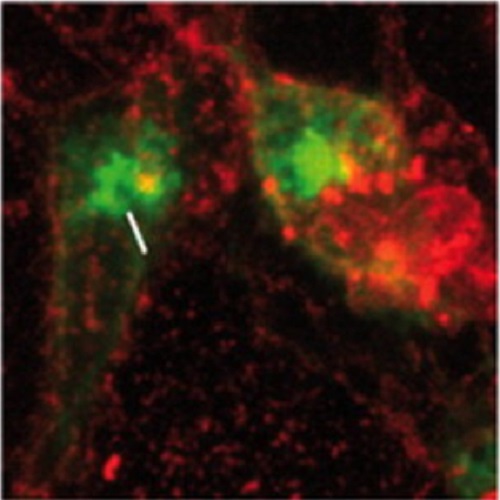
Pore-forming toxins have evolved to induce membrane injury by formation of pores in the target cell that alter ion homeostasis and lead to cell death. Many pore-forming toxins use cholesterol, sphingolipids, or other raft components as receptors. However, the role of plasma membrane organization for toxin action is not well understood. In this study, we have investigated cellular dynamics during the attack of equinatoxin II, a pore-forming toxin from the sea anemone Actinia equina, by combining time lapse three-dimensional live cell imaging, fluorescence recovery after photobleaching, FRET, and fluorescence cross-correlation spectroscopy. Our results show that membrane binding by equinatoxin II is accompanied by extensive plasma membrane reorganization into microscopic domains that resemble coalesced lipid rafts. Pore formation by the toxin induces Ca(2+) entry into the cytosol, which is accompanied by hydrolysis of phosphatidylinositol 4,5-bisphosphate, plasma membrane blebbing, actin cytoskeleton reorganization, and inhibition of endocytosis. We propose that plasma membrane reorganization into stabilized raft domains is part of the killing strategy of equinatoxin II.
Authors
García-Sáez AJ, Buschhorn SB, Keller H, Anderluh G, Simons K, Schwille P